
 Jason Morrison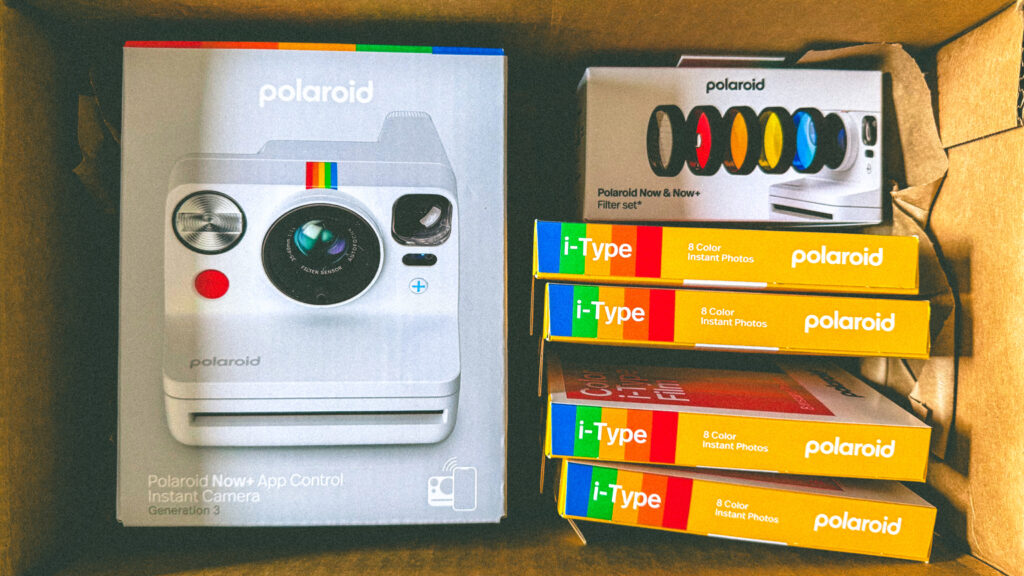
Somewhere along the line, when I began experimenting with AI, I was excited about the potential for what I could create with it. A simple prompt rendered an image dangerously close to what a film camera could produce. Bringing that into Photoshop to add some effects, defects, textures, and the occasional light leak meant that I could replicate film as close as I could. At one point, I shared three black & white high-contrast images created using MidJourney and edited in Photoshop. All of these I posted to Instagram, and the first comment was “nice shot”. For quite a while, I felt accomplished knowing I had duped a fellow photographer into thinking this was an image that I had taken.
Last week, I deleted all of the AI-generated images from my Instagram account and website.
It felt wrong.
That photo was a nice image. But it was not a nice shot. It wasn’t real. I didn’t load any film. I didn’t walk to a specific location to frame that scene. I typed two sentences, waited 10 seconds, and was given an image. As I thought about this whole process, I found that I was not proud of it and did not like it. So I removed them.
I have always edited my images, well before AI could attempt to create them. I would take photos for the purpose of editing them. For me, this was no different than taking a Polaroid and then soaking it in chemicals to produce a modified result; however, using Photoshop to alter a digital image seemed to be frowned upon compared to manipulating a physical photo.
I wanted to get back to photography. I missed creating. As I thought about all of the film cameras that I have here at home, I also rummaged through the bag of film I have to shoot. All I saw in my hands was an expense. Shooting film and having it developed is pricey. Whenever I have mentioned this in the past, I normally hear, “You need to develop the film yourself and also scan it yourself.” Maybe so. But I don’t want to. Perhaps later on, I will take the time to learn how to develop film, but I don’t want that hassle right now. It is easier to send it off. In fact, today, I shipped five rolls of expired 35mm film to Reformed Film Lab for processing (Two rolls of Fujicolor Superia X-Tra 400 24xp, two rolls of Fujicolor Super HQ 200 24xp, and one roll of Fujifilm 200 36xp). The total was around $85.
Enter Polaroid
I remembered I had two packs of expired Polaroid film and thought it would be fun to take some black-and-white photos at the park during lunch.
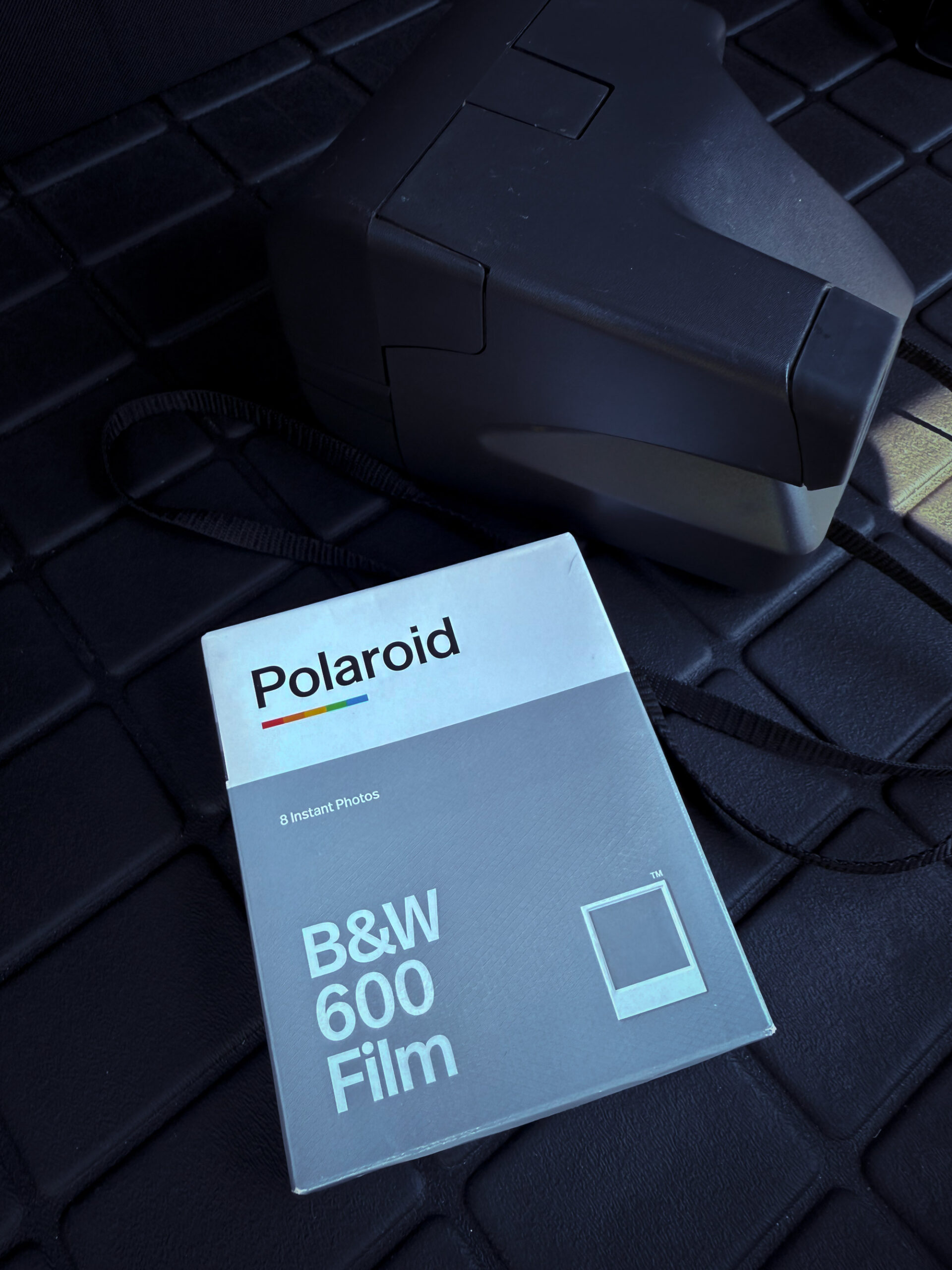
This camera was one I picked up at Goodwill a while back. It had an empty film pack still in it, which I am guessing is what gave everyone the impression that it did not work. I believe I got the camera for $7. Once I put new film in it, I was good to go. The trouble was that the camera could never seem to take a photo that was in focus. There were also defects in the shots, either due to how I stored the film or the age of the camera, or possibly both.
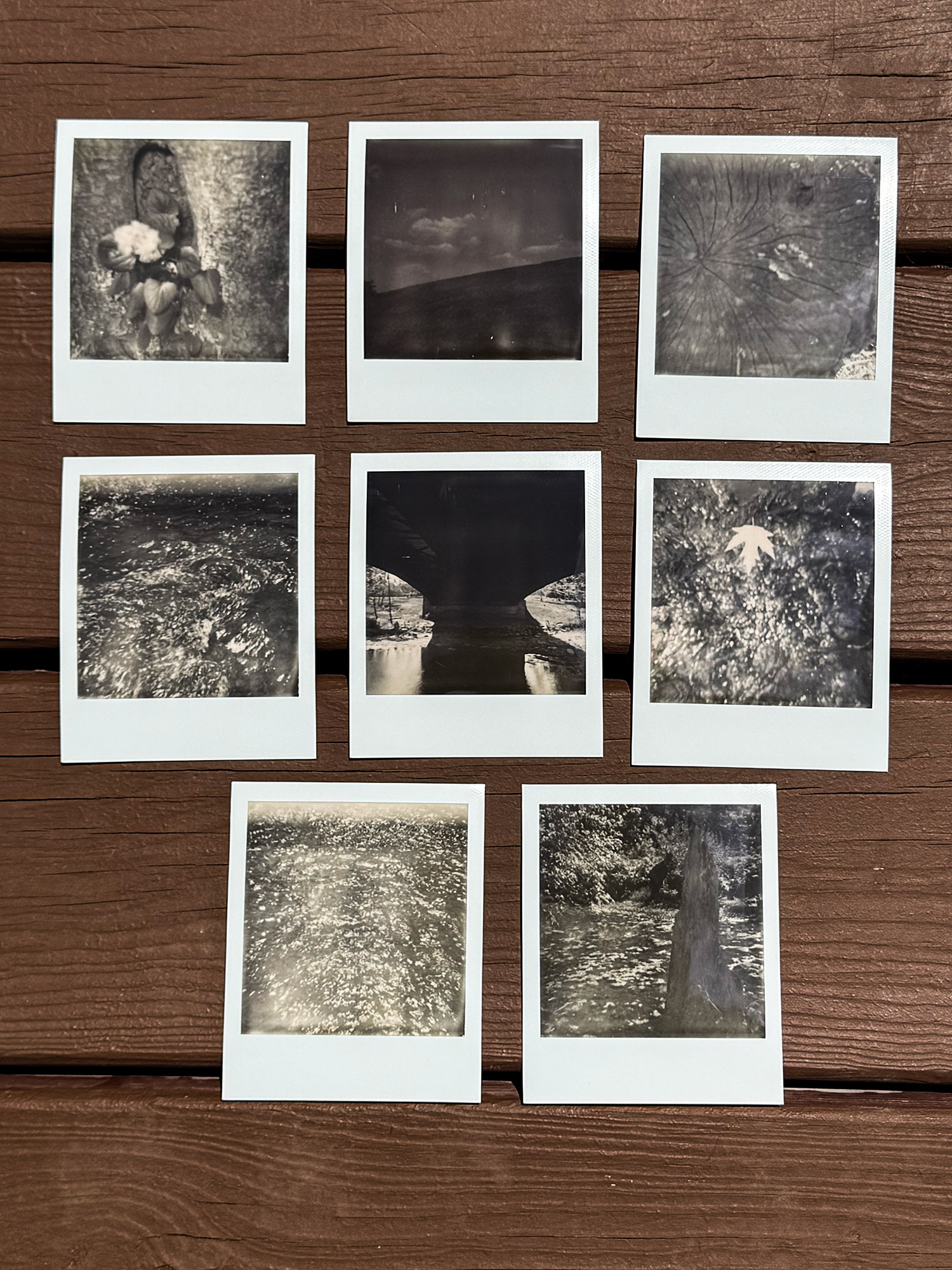
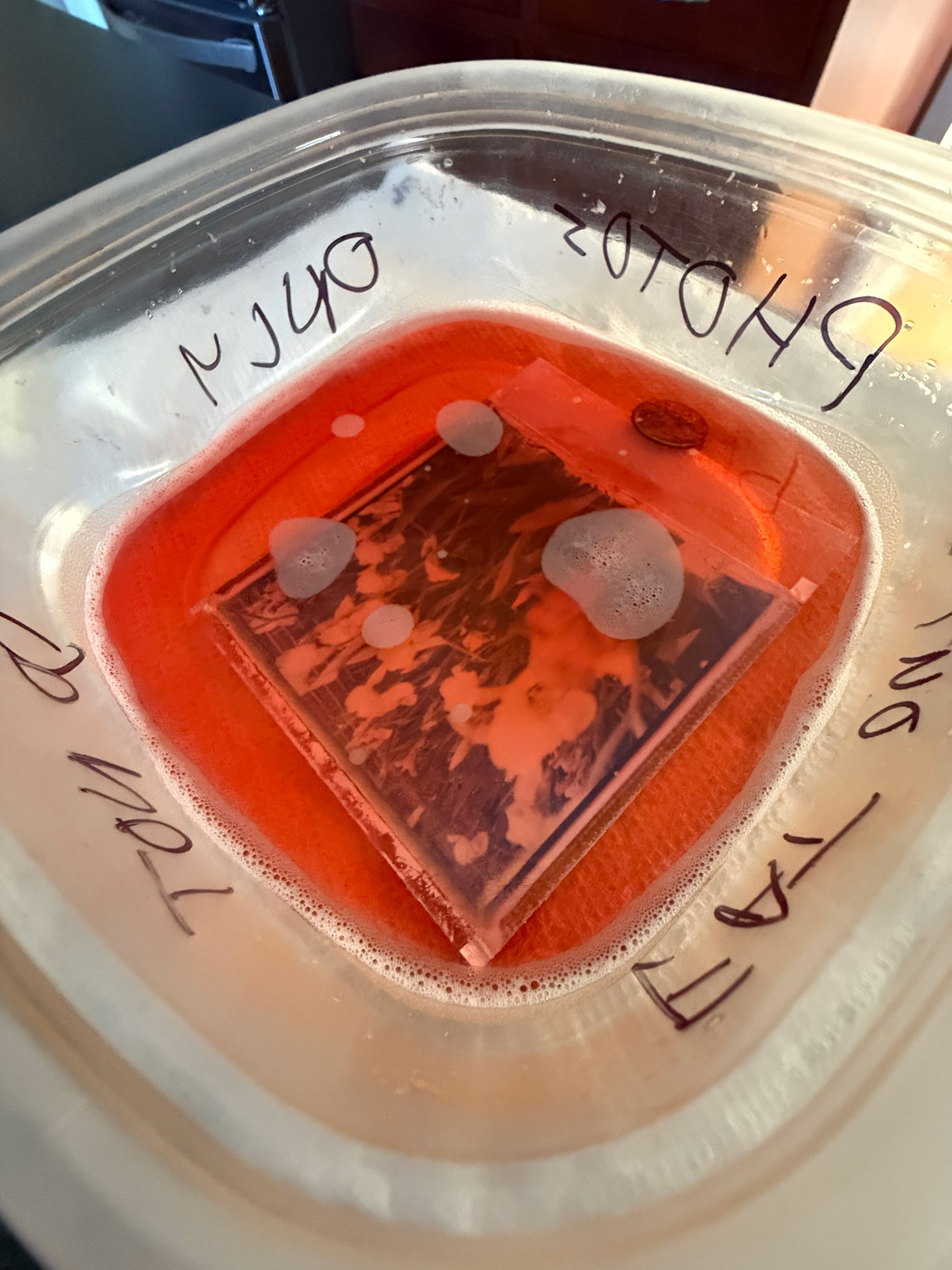
I had wanted more abstract photos and feel that is what I got. The defects I did not mind, as I fully intended on chemically decaying these shots as soon as I got home.
Is shooting Polaroid film more expensive than 35mm film? In the batch of film that I mailed off, I sent 132 photos and paid $90. That makes each photo about $0.70. The Polaroid I-type film that I bought was $17.09 for a pack of 8, making it $2.14 a photo. So no, Polaroid is not cheaper than 35mm film. However, having a one-of-a-kind original image in my hand minutes after taking it is worth something to me. Also, having a tangible image to manually edit without using Photoshop. The end result is something highly unique and personal to me.
As my frustration with the old OneStep grew, I started to look at more Polaroid cameras. I wanted more control, but did not want anything fully manual. One of my favorite film cameras to shoot is an old 35mm point-and-shoot. It is fun and requires little thought in terms of settings. I enjoy that part of photography, even with some of the uncertainty that comes with it. What sold me on the Now+ was having the same immediate experience offered by Polaroid cameras while at the same time giving me more control. Connecting to an app was highly appealing to the nerd in me. The double exposure was a big bonus and probably the feature I was looking forward to the most.
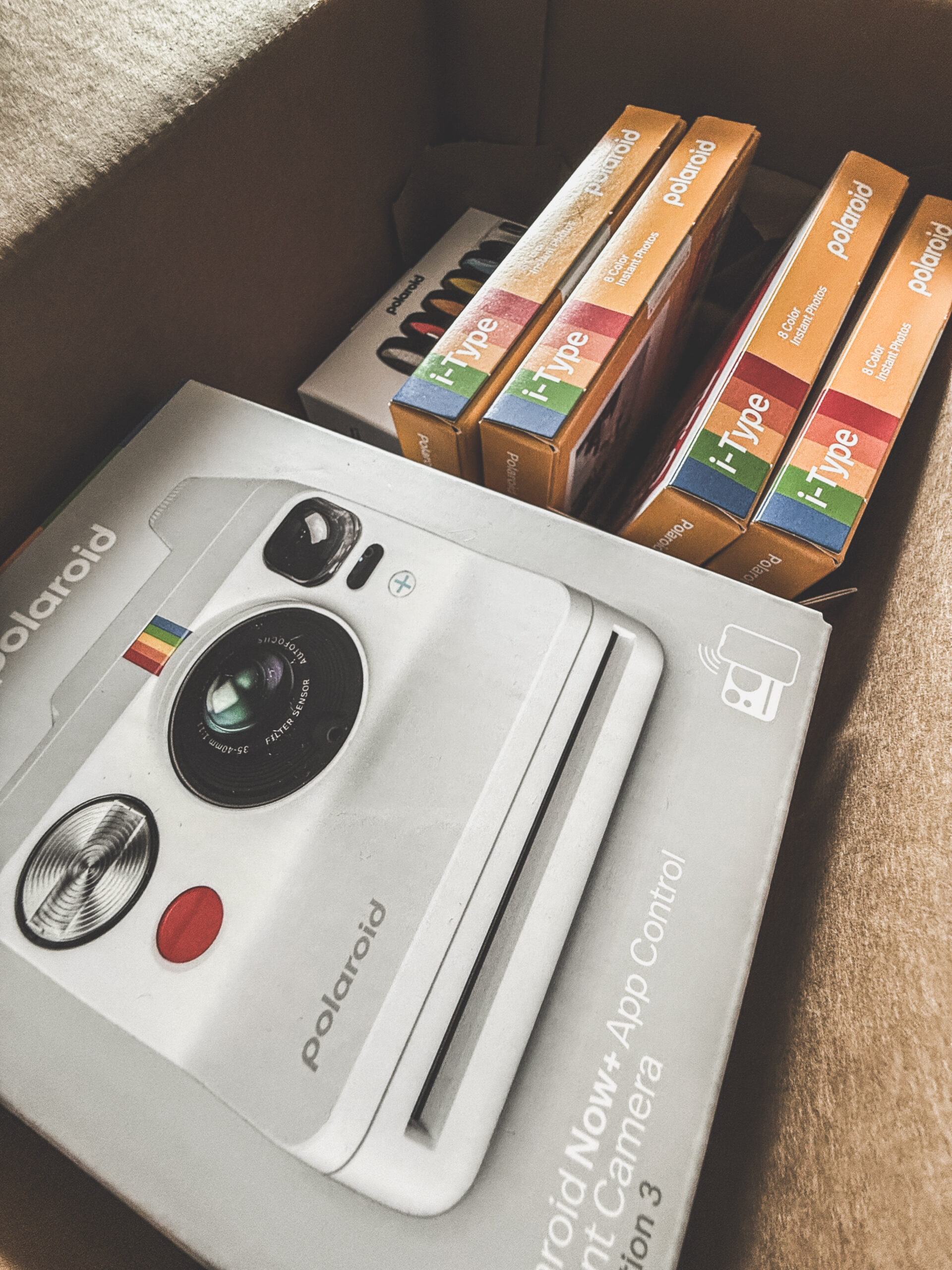
With a small case of buyer’s remorse, I wondered if this purchase was too much of a splurge. I questioned if I should have just stuck with shooting one of the 20 cameras that I have here. But I couldn’t stop thinking about the Polaroid. I left the house about 15 minutes early for an appointment and brought the camera along. After taking a few shots with it, I knew I made the right choice. Seeing the first double exposure come through, the improved colors and clarity made me so happy.
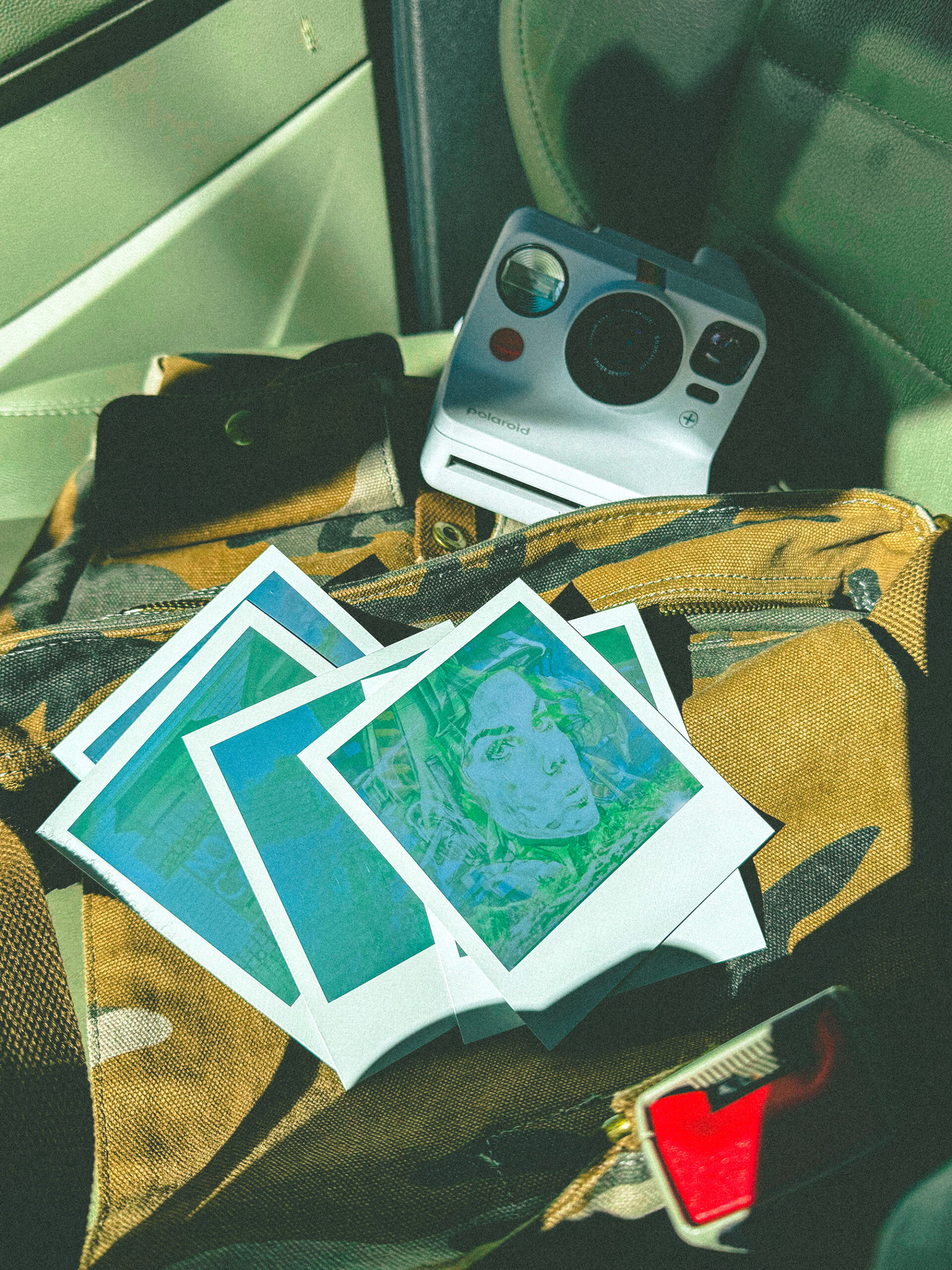
I went through a pack of film a lot quicker than I expected, but I had so much fun in the process. I felt like a kid again, actually.
Now I just need to decide which ones are going to be dropped into my chemical mixtures to see where else I can take these images creatively.